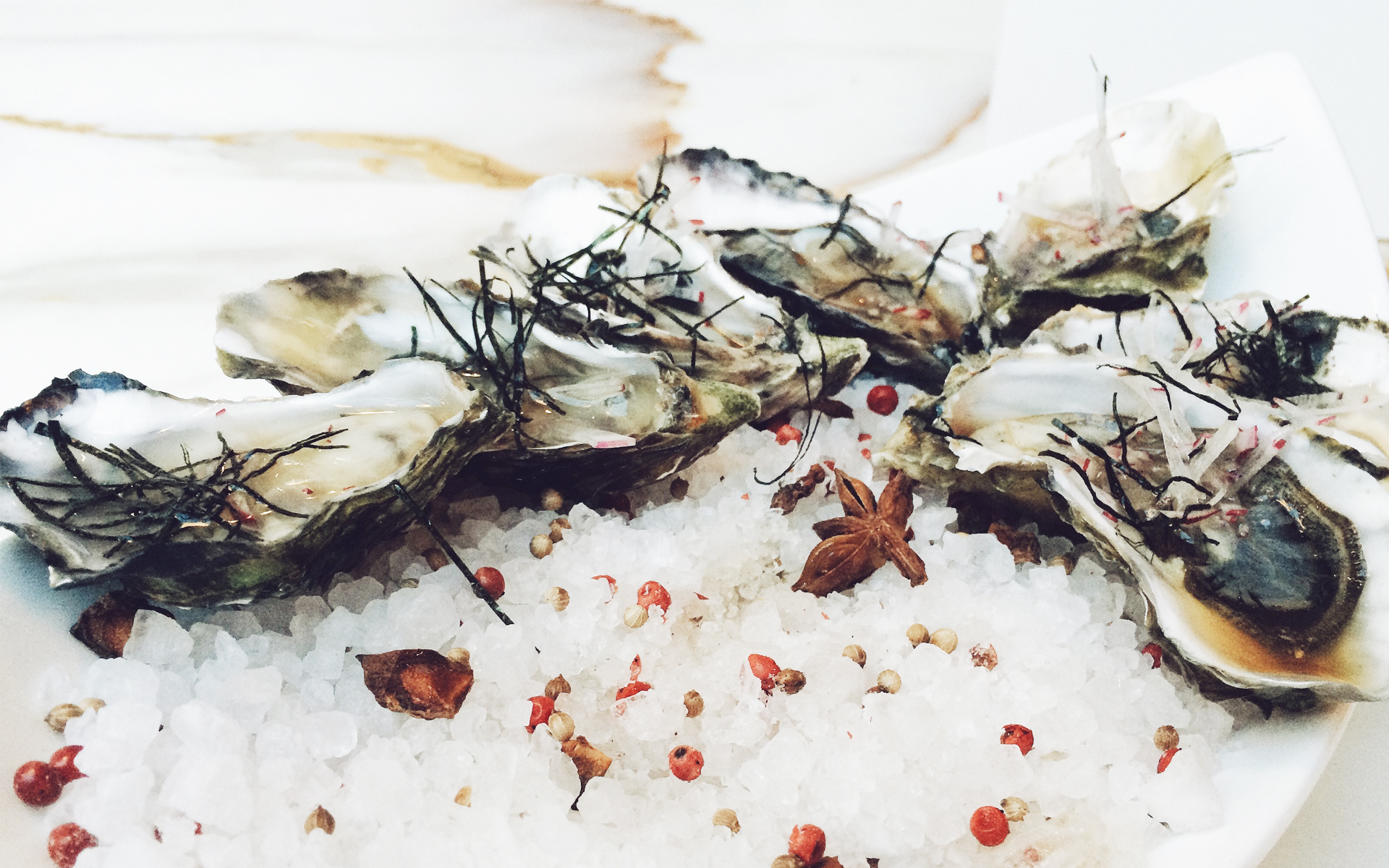
Current research strongly indicates that zinc deficiency is detrimental for individuals suffering from acne. Zinc appears to possess both antibacterial and anti-inflammatory properties. It is an essential trace element vital for human health, involved in numerous cellular processes. Zinc is a component of hundreds of different enzymes that affect the metabolism of proteins, carbohydrates, and fats. It also plays a crucial role in immune function and wound healing. Studies on acne patients reveal significantly lower levels of zinc, as well as vitamin E, compared to those without acne. Oysters are among the richest food sources of zinc. For dietary supplementation, the best form of pure zinc is from MegaFood recommended in the program. The dosage is carefully calibrated for continuous intake, neither too high nor too low. Avoid purchasing low-quality zinc supplements, as they can do more harm than good.
J Drugs Dermatol. 2013 May;12(5):542-5. The clinical effects of zinc as a topical or oral agent on the clinical response and pathophysiologic mechanisms of acne: a systematic review of the literature. Brandt S.
Ann Dermatol Venereol. 2004 May;131(5):455-60. Zinc salts in dermatology. Stéphan F, Revuz J.
Cutan Ocul Toxicol. 2014 Jun;33(2):99-102. Evaluation of serum vitamins A and E and zinc levels according to the severity of acne vulgaris. Ozuguz P, Dogruk Kacar S, Ekiz O, Takci Z, Balta I, Kalkan G.
Ann Pharmacother. 1996 Feb;30(2):186-7. Zinc deficiency and taste disorders. Heyneman CA.